
APRI Calls for Accurate Field Data in Crab Quota Policy to Protect Small-Scale Fishers
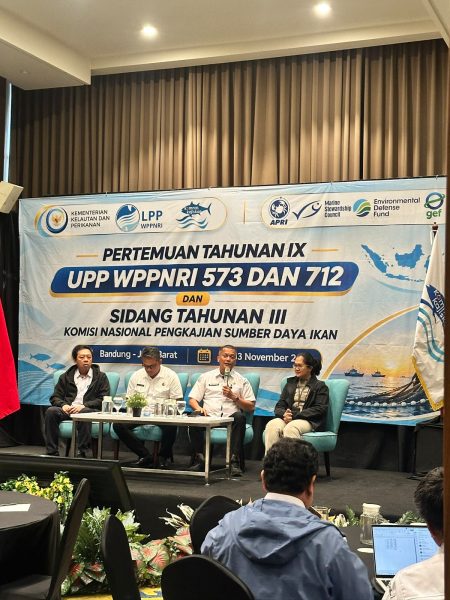
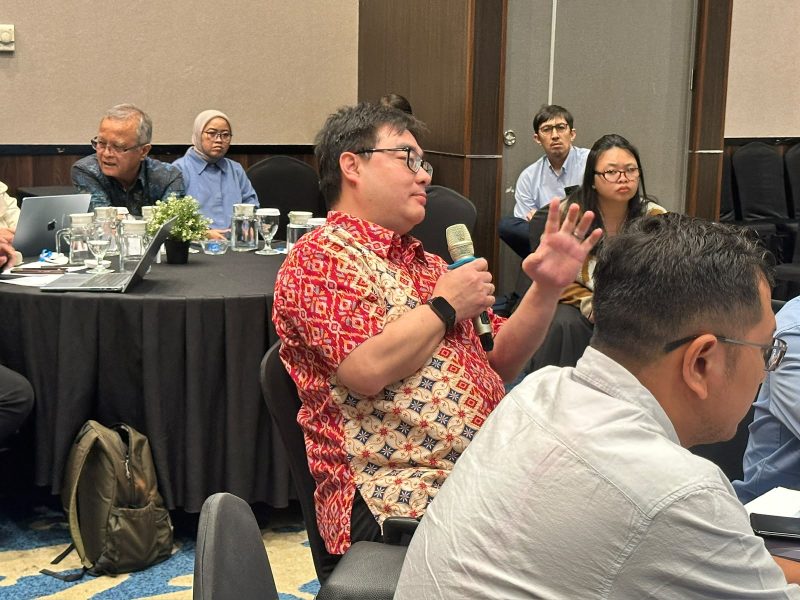
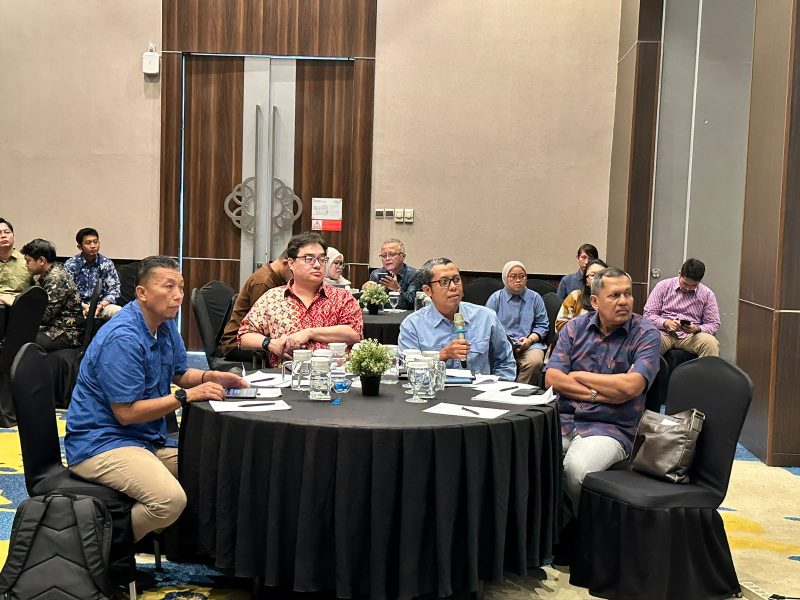
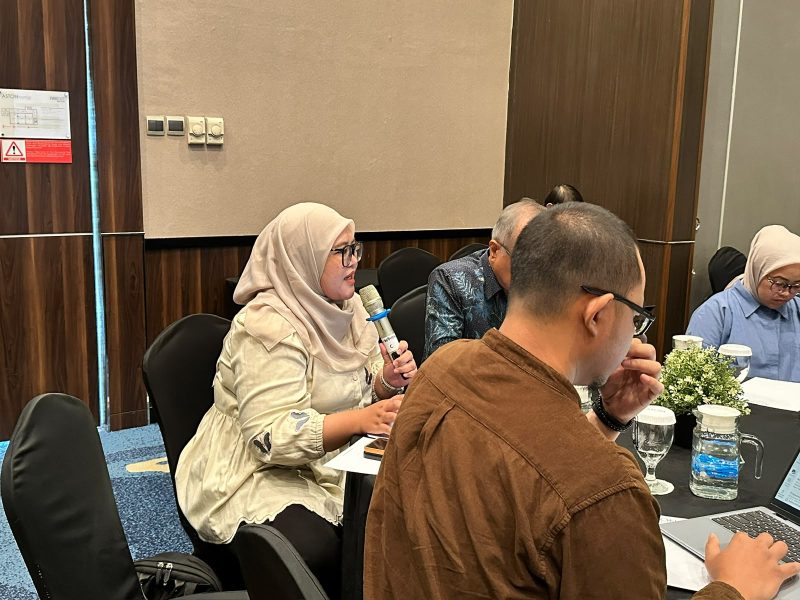
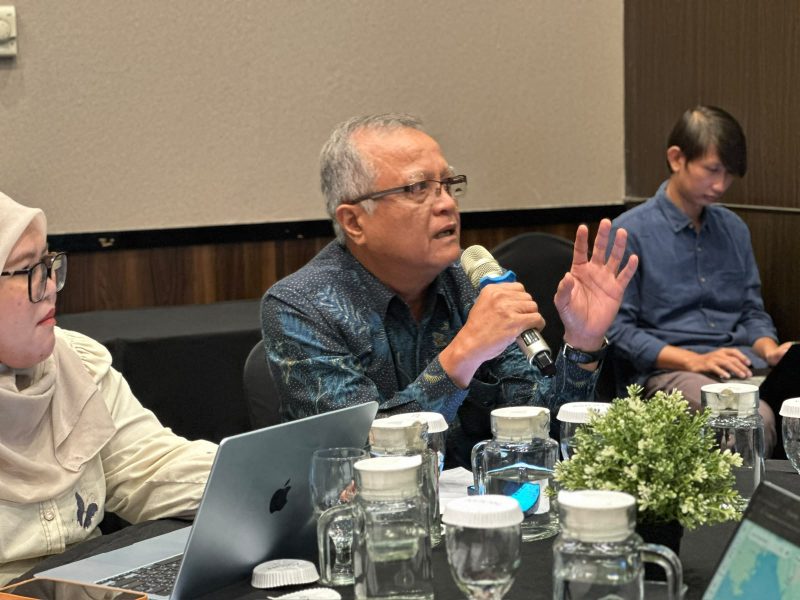
by adminapri November 23, 2026 0 commentsBANDUNG, West Java — Indonesia’s Ministry of Marine Affairs and Fisheries (KKP) held the 9th Annual Meeting of the Fisheries Management Unit (UPP) for Fisheries Management Areas (WPPNRI) 573 and 712, alongside the 3rd Annual Session of the National Commission on Fish Stock Assessment (Komnas KAJISKAN), in Bandung from November 11 to 13, 2026. The event brought together Marine and Fisheries Offices (DKP) from across both management areas along with key industry and scientific stakeholders.
During the meeting, the Indonesian Blue Swimming Crab Association (Asosiasi Pengelolaan Rajungan Indonesia — APRI), which represents the national blue swimming crab (rajungan) industry, shared on-the-ground insights regarding the government’s Measured Fishing Policy (Penangkapan Ikan Terukur — PIT).
Preventing Unfair Policies Caused by Missing Data on Small-Scale Fishers
APRI pointed out that blue swimming crab fishing works very differently from industrial fisheries, such as tuna fleets that use vessels larger than 5 gross tonnage (GT). In Indonesia, most blue swimming crabs are caught by small-scale, traditional fishers using small boats, fishing close to shore, and landing their catches at scattered local spots rather than major centralized ports.
Because their operations are spread out, small-scale crab catches are often missed in official government records. For this reason, APRI stressed that fishing quotas must be based on accurate, complete field data so that new rules do not hurt small-scale fishers or disrupt the seafood processing supply chain.
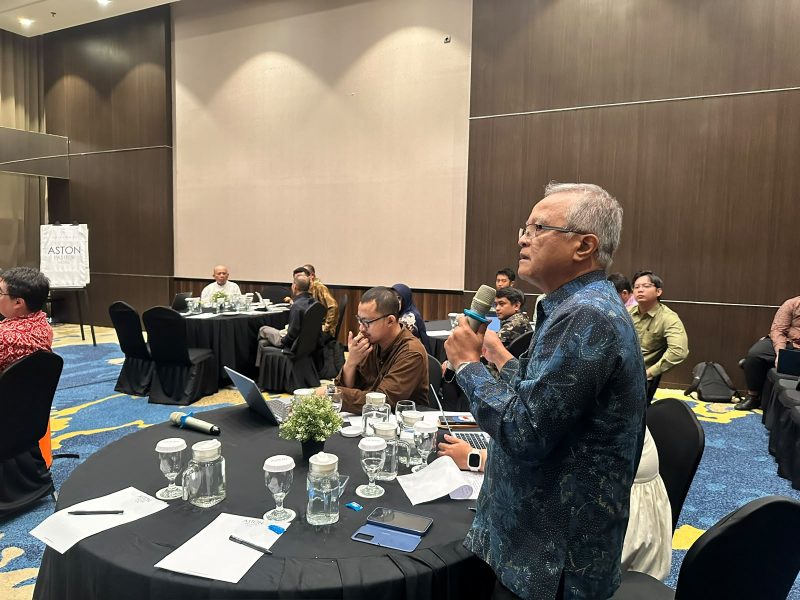
“Fishing quota policies must be built on valid field data that reflect real conditions on the water so that no one is treated unfairly. Incomplete data on small-scale fishers—whose operations are much simpler than tuna boats over 5 GT—must not lead to unbalanced policies or put new pressure on their livelihoods,” an APRI representative said at the forum.
Combining Biological Data with Sustainable Fishery Efforts (FIP)
To support science-based policymaking, APRI presented its ongoing research across major blue swimming crab hubs, including stock assessments, biological monitoring, Non-Target Species (NTS) tracking, and socioeconomic surveys. APRI hopes to combine this field data with government studies and Komnas KAJISKAN assessments to guide fair fisheries regulations.
In addition, to protect crab populations and advance its Fishery Improvement Project (FIP), APRI shared multi-year data showing the strong economic value of blue swimming crab as a top export commodity. Keeping crab stocks healthy is critical because millions of coastal families and the national processing industry depend on it for their livelihoods.
By pushing for a data-recording system suited to traditional fishing practices, APRI reaffirmed its full support for KKP’s efforts to build sustainable, fair crab management that protects small-scale fishers from unequal regulations.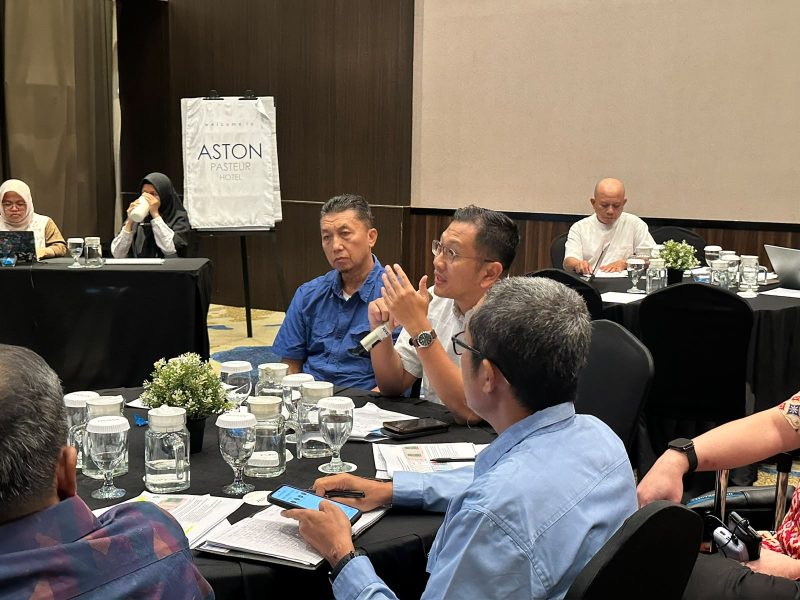


No Comments so far
Jump into a conversationNo Comments Yet!
You can be the one to start a conversation.