
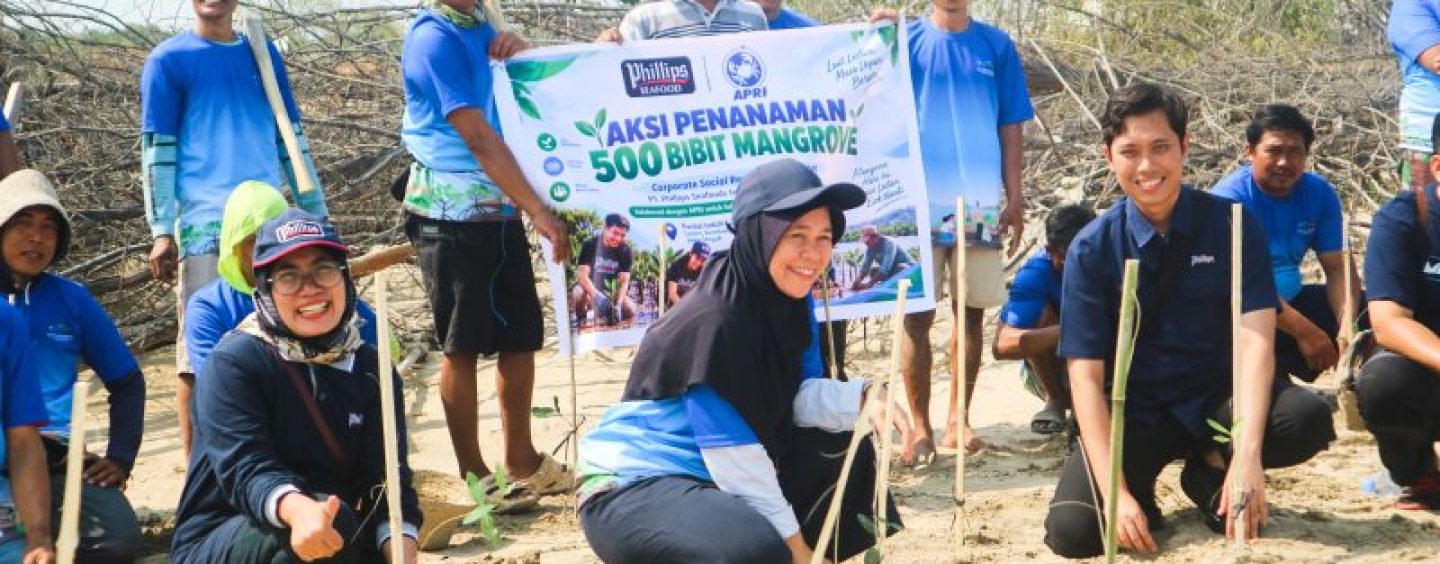
Phillips Seafood Indonesia (PT. PSI) Coastal Ecosystem Care with Commitment Through the Planting of 500 Mangroves on the Coast of Lasem, Rembang
by adminapri November 2, 2026 0 commentsPhillips Seafood Indonesia (PT. PSI) & APRI Demonstrate Environmental Commitment Through the Planting of 500 Mangroves on the Coast of Lasem, Rembang
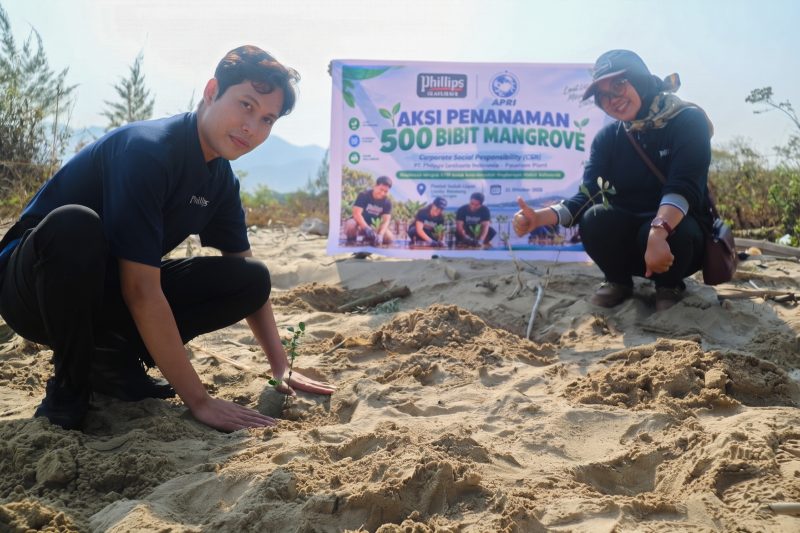
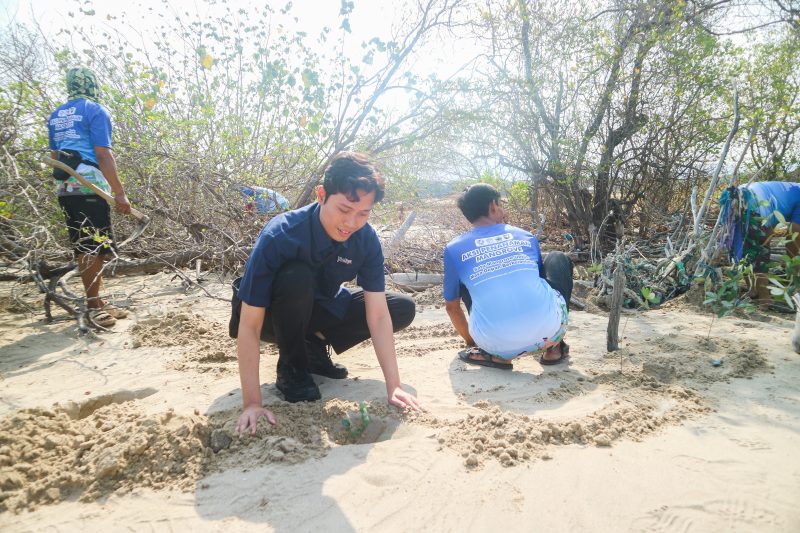
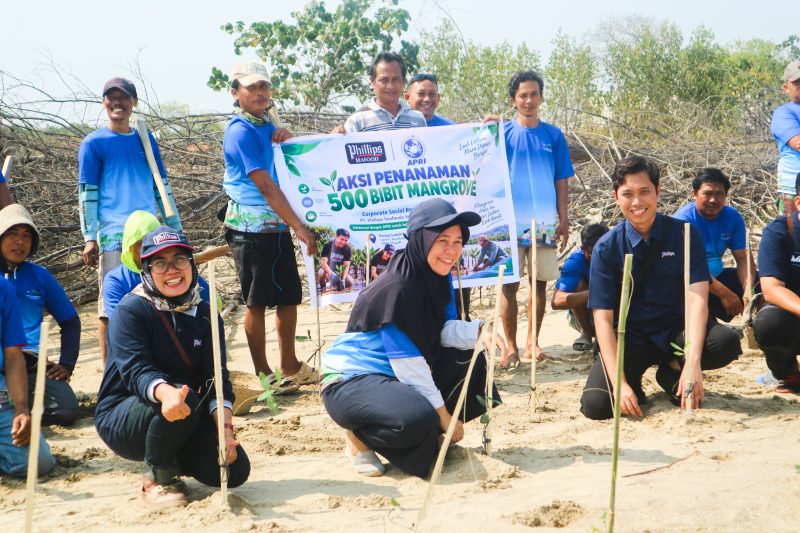
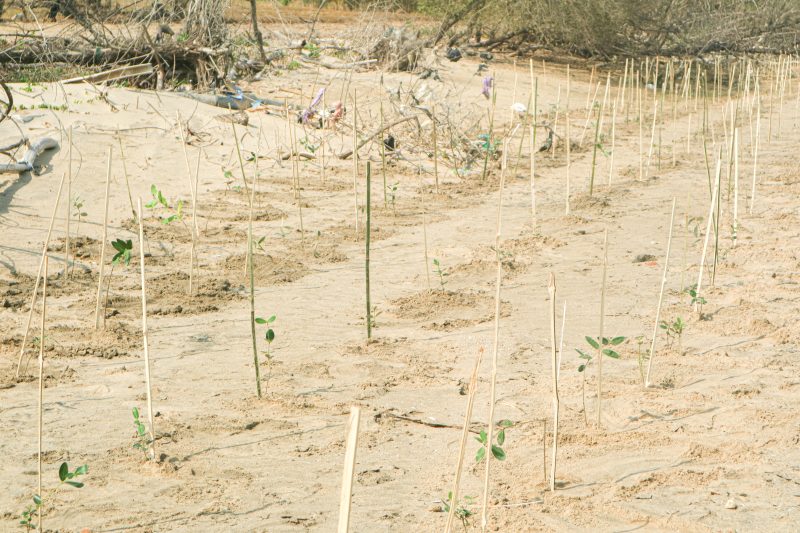
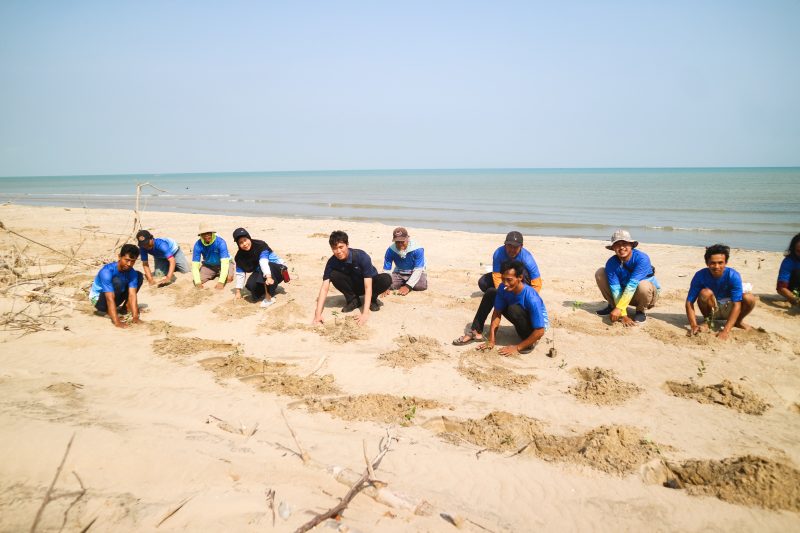
REMBANG — A tangible commitment to coastal ecosystem preservation was once again demonstrated by Phillips Seafood Indonesia (PT. PSI). As an active member of the Indonesian Blue Swimming Crab Association (APRI), PT. PSI successfully carried out an environmental conservation initiative by planting 500 Avicennia marina (Api-Api) mangrove seedlings on Friday, October 23, 2026.
This conservation action was centered in the coastal area of Pantai Indah Layur, Gedongmulyo Village, Lasem District, Rembang Regency, Central Java. More than just a ceremonial green event, this activity serves as a strategic step to strengthen Fisheries Improvement Project (FIP) indicators, specifically under the environmental management pillar (P2).
Mangroves: Coastal Natural Bulwarks and Lifelines for Small-Scale Fishers (<5 GT)
The choice of Pantai Indah Layur in Lasem, Rembang, was deliberate. The northern coast of Central Java faces dynamic abrasion challenges. The planting of Avicennia marina (Api-Api) mangroves directly in the sandy coastal substrate proved to be an ideal ecological choice. As resilient pioneer species, these mangroves feature robust root systems complete with vertical pneumatophores capable of gripping sandy sediment, withstanding sea wave erosion, and optimally absorbing carbon.
For small-scale fishers operating boats under 5 Gross Tons (GT) particularly blue swimming crab fishers along the coast of Rembang and surrounding areas the mangrove ecosystem is profoundly crucial. Mangrove forests serve as nursery grounds, feeding habitats, and natural spawning sites for various marine species, including the blue swimming crab (Portunus pelagicus), which is a premier local commodity.
“The health of the coastal ecosystem is directly proportional to the sustainability of fishermen’s catches. By protecting mangrove habitats, we are securing the future of a sustainable blue swimming crab supply chain,” stated a management representative of Phillips Seafood Indonesia (PT. PSI) during the event on Friday, October 23, 2026.
A Synergy of APRI Members for Sustainable Blue Swimming Crab Fisheries
The planting of these 500 mangrove seedlings is part of the collective commitment among APRI members to support responsible capture fisheries. Through the implementation of FIP standards (P2), industries and fishers work hand in hand to ensure that fishing activities run harmoniously hand-in-hand with environmental preservation.
This collaboration between the private sector, trade associations, and local communities in Rembang Regency is expected to serve as a role model for other coastal regions across Indonesia. This modest step of planting mangroves in Lasem is believed to deliver long-lasting, profound impacts on the ecological balance of the Java Sea and the economic well-being of small-scale fishers.


 Coastal Ecosystem Care with Commitment Through the Planting of 500 Mangroves on the Coast of Lasem, Rembang)
No Comments so far
Jump into a conversationNo Comments Yet!
You can be the one to start a conversation.